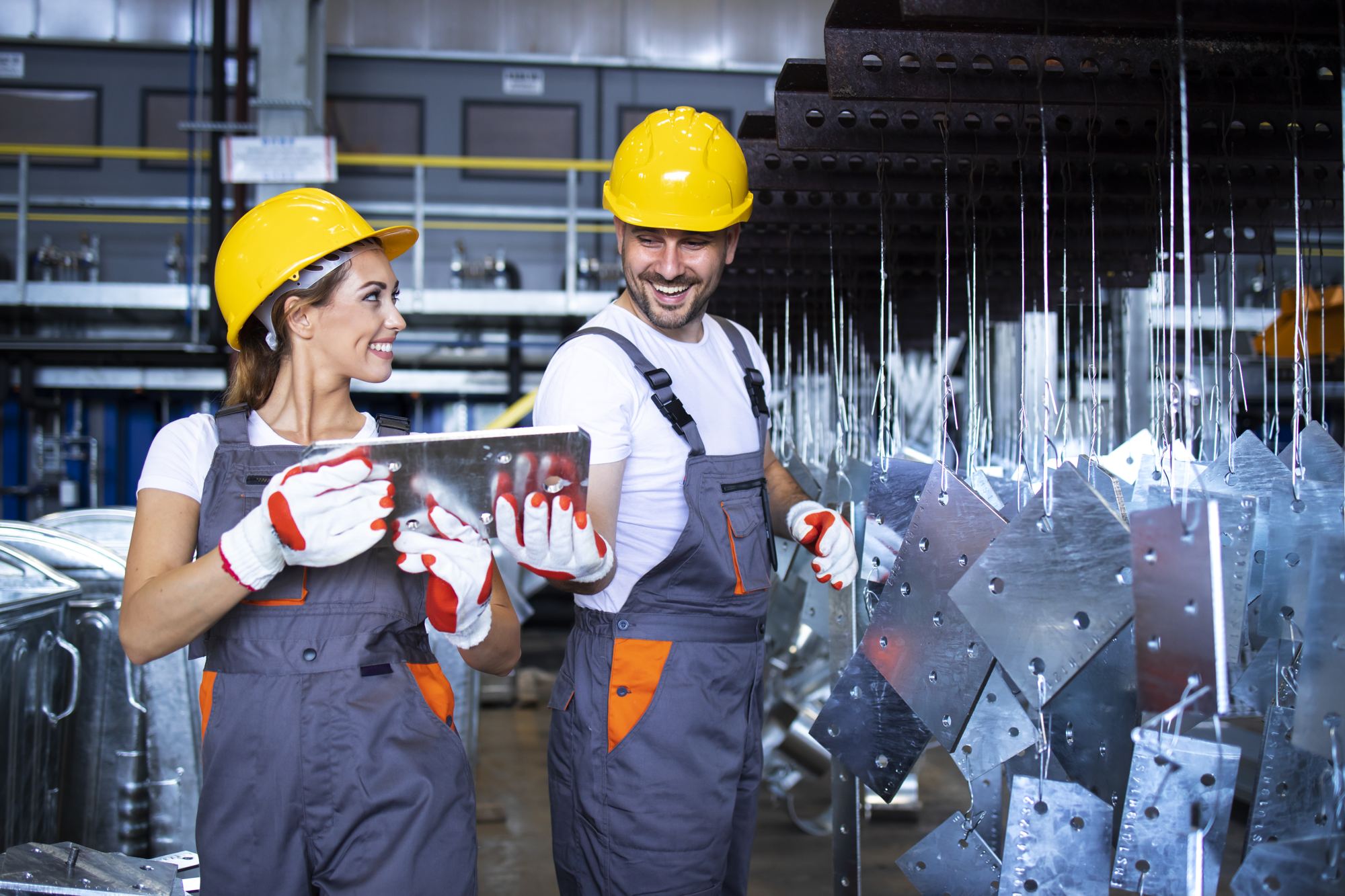
Auto Components
Machined, pressed and fabricated parts for two-wheeler, four-wheeler, tractor and aftermarket supply chains.
- Investment (indicative)
- ₹50 Lakhs – ₹5 Crore
- Industry group
- Manufacturing
- Business models
- 3
- Manpower
- 15–60 people
What the business involves
Machined, pressed and fabricated parts for two-wheeler, four-wheeler, tractor and aftermarket supply chains. Businesses in this segment are usually set up in one of 3 ways, described below, and the right one depends on your capital, experience and the customers you can reach.
Where demand comes from
Vehicle makers buy most parts from tiered suppliers, and the replacement aftermarket runs alongside OEM supply. New entrants usually start as Tier-2/Tier-3 job-workers or with aftermarket parts before qualifying for direct OEM approval.
Ways to enter
Tier-2 / Tier-3 job work
Machining or pressing to drawings supplied by a Tier-1 customer.
Aftermarket parts brand
Own-brand replacement parts sold through distributors and retailers.
Sub-assembly unit
Assembly of brackets, harnesses or small assemblies for a fixed customer.
Investment range and production capacity
| Investment range | ₹50 Lakhs – ₹5 Crore |
|---|---|
| Production capacity | Defined by part family and machine hours; typically planned around 1–2 shifts of machine capacity |
| Manpower | 15–60 people: machinists, setters, QC inspectors, stores and dispatch |
Indicative / subject to project-specific assessment. Valtora does not publish projected returns for industry profiles.
Plant and location requirements
| Plant requirements | 4,000–15,000 sq ft shed, 50–150 kW connected load, crane or hoist for heavy jobs |
|---|---|
| Location requirements | Near an auto cluster (e.g. Chennai, Pune, NCR, Hosur) to cut freight and simplify customer audits |
Machinery requirements
- CNC turning and VMC machining centres
- Power presses and press tools
- MIG / spot welding stations
- Measuring instruments, CMM access and gauges
- Surface treatment (outsourced or in-house)
Raw materials
- Steel bars, sheets and tubes
- Aluminium and brass castings / forgings
- Fasteners and consumables
- Packing material for OEM dispatch
Compliance considerations
- Udyam (MSME) registration and GST
- Factory licence under the Factories Act / state rules
- Consent to Establish and Consent to Operate from the State Pollution Control Board
- Fire NOC and building plan / land-use approval
- Product-specific BIS Quality Control Orders where notified
- IATF 16949 / ISO 9001 quality system expected by OEM customers
General guidance only. Requirements vary by product, capacity and state; confirm with the relevant authority.
Who buys and how
Running the business day to day
Drawing control, PPAP-style approval documentation, monthly schedules from customers, tight delivery windows.
What to plan for
- Long customer approval cycles
- Price pressure from buyers
- Working capital tied in receivables
- Need for consistent quality records
How Valtora helps
- Industry and market research for your region
- Feasibility study and project report (DPR)
- Machinery and technology partner identification
- Location, setup and compliance coordination
- Manpower planning and launch support
Questions about auto components
How much investment is needed to start a auto components business?
What approvals does a auto components unit need?
Can Valtora help me find machinery suppliers for auto components?
Do you guarantee returns or loan approval?
Discuss This Business With Valtora
Share a few details and a consultant will call you to discuss auto components for your location and budget.
Thank you — your request is in.
A Valtora consultant will contact you within one working day to understand your requirement. You can also create an account to track enquiries, consultations and documents.